
Empowering NGOs to Build Stronger Communities in Eastern Africa
By New Dawn Media Services · Published 4 November 2025 · Last updated 21 September 2026
How local NGOs in Eastern Africa are driving change in water, education and health, and what separates organisations that scale their impact from those that stall.
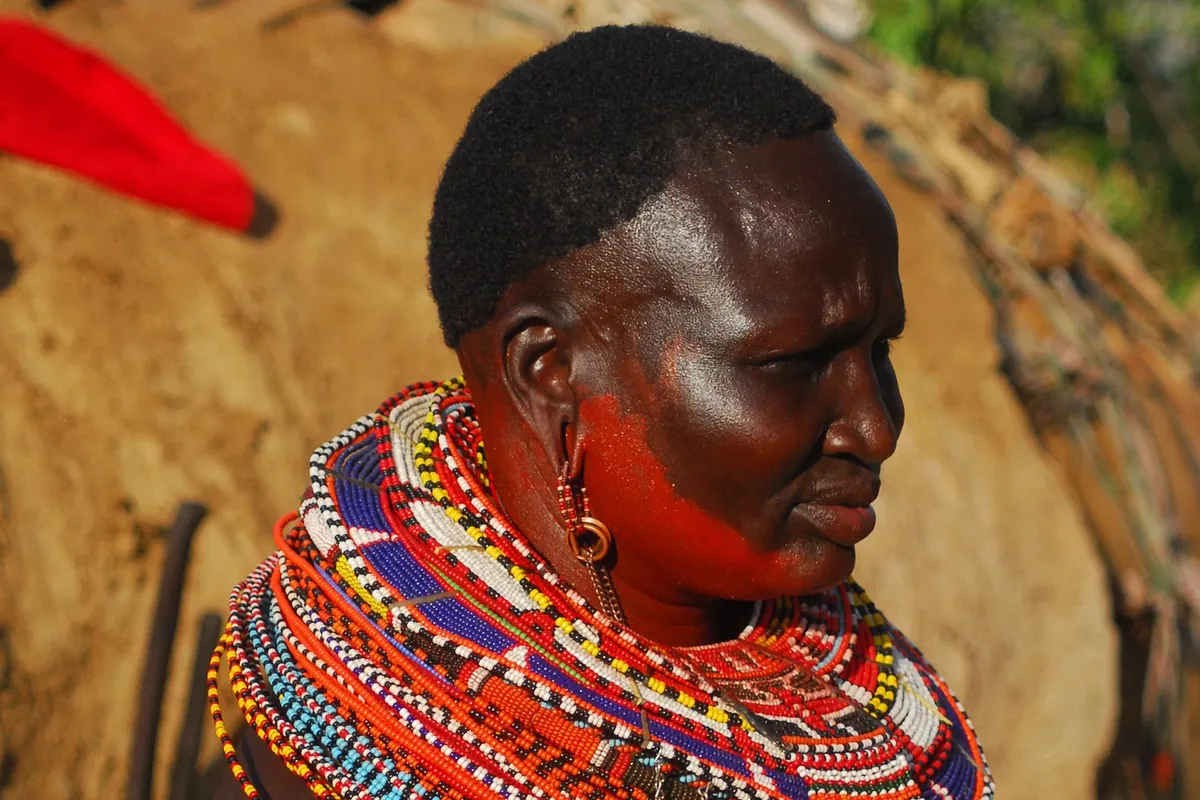
Local organisations carry the load
NGOs in Eastern Africa are at the forefront of tackling some of the region's most pressing challenges, and in most districts they are the organisations doing the work that government cannot reach and business has no direct incentive to fund. A clinic extension run by a faith-based organisation, a water committee managing a rehabilitated borehole, a savings group that began as a women's welfare association and now finances small businesses: these are the practical building blocks of community development.
What has changed over the last two decades is who leads that work. International agencies still fund much of it, but delivery has shifted decisively towards national and community-based organisations. They hold the language, the relationships and the local knowledge, and they can stay in a district long after an international programme closes.
Water, health and education remain the core
Water supply remains the most visible entry point. Where a borehole is drilled or a pipeline extended, the immediate effect is on health, school attendance and the time women and girls spend collecting water. Organisations that do this well plan for maintenance from the beginning, training a water committee, agreeing a tariff for repairs and testing water quality rather than only counting installations.
Education is the second great driver. Bursaries and sponsorship schemes keep children in school, feeding programmes improve attendance and concentration, and teacher training lifts the quality of what is taught. Health organisations complete the picture, delivering maternal and child health services, immunisation outreach and disease prevention, and increasingly mental health and psychosocial support.
What separates organisations that scale from those that stall
In our work publishing the directory we see four practical differences. Organisations that scale can describe their results with specific numbers rather than good intentions. They have systems for finance, procurement and safeguarding that satisfy a funder's due diligence. They document their work in writing. And they are findable, with current contact details and programmes that are visible outside their own network.
The last point is underrated and easy to fix. A capable organisation that nobody outside its district has heard of will always lose a partnership opportunity to a better known but weaker one. Publishing a verified profile with accurate contacts, the districts served and the sectors worked in is one of the cheapest forms of leverage available to a small organisation.
Strengthening the sector is a collective effort
Building stronger communities is not something one organisation does alone. It happens when NGOs cooperate with county and district governments, share data, avoid duplicating work in the same village and join forces on funding applications. It also happens when businesses decide to invest locally, and when donors accept that strengthening an organisation's systems is as valuable as funding another activity.
The most durable programmes we come across are built on long relationships: a corporate partner that has stayed for five years, a county officer who sits on the organisation's advisory board, a funder that paid for the finance system before it paid for the programme. None of that is dramatic, and all of it compounds.